
What Is Tokenization in Cryptocurrency?
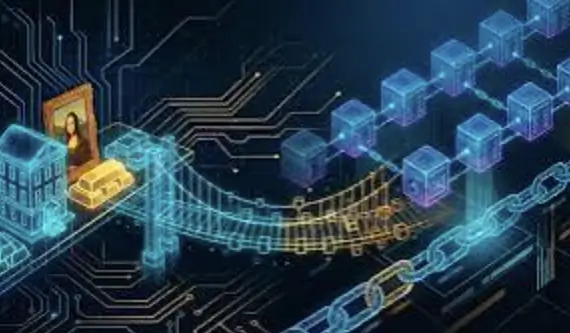
Tokenization in cryptocurrency converts ownership rights in tangible or illiquid assets into digital tokens on a blockchain. It decomposes asset ownership into transferable units, enabling fractional access and easier transfer. The model relies on regulated issuance, custodianship, and auditable records to align governance and disclosure. Unlike speculative, borderless crypto, asset-backed tokens link verifiable assets to tokens, expanding participation but demanding robust custody and valuation standards. The regulatory context shapes adoption and market development, leaving the next move to be weighed carefully.
Tokenization 101: How It Turns Real Assets Into Digital Tokens
Tokenization converts ownership rights in tangible or illiquid assets into digital tokens on a blockchain. The process decomposes asset ownership into transferable units, enabling fractional access and streamlined transfer. This raises tokenization ethics considerations, including governance, disclosures, and fiduciary duties. Asset fragmentation facilitates liquidity but necessitates robust standards to prevent mispricing, ensure custody integrity, and maintain accurate, auditable records.
See also: Smart Tech Framework 2104604858 Performance
How Tokenization Differs From Traditional Crypto
The distinction between tokenization and traditional crypto rests on purpose, scope, and governance. Tokenization overview emphasizes fractional ownership, regulated issuance, and verifiable asset linkage, contrasting with speculative, borderless cryptos. Traditional crypto centers on value transfer and privacy; tokenization often anchors to asset backed tokens, with custodianship and compliance shaping risk. This framing clarifies differences without conflating mechanisms or incentives.
Real-World Benefits, Use Cases, and Market Impact
Real-world benefits from tokenization emerge when asset ownership and access to capital markets are decoupled from traditional gatekeepers, enabling fractionalization, improved liquidity, and broader investor participation. This decentralizes opportunity, fostering efficiency and transparency.
Use cases span real estate, art, and private equity, enhancing asset liquidity, expanding marketplaces, and reducing frictions. Yet tokenization myths persist regarding risk, custody, and interoperability across ecosystems.
Risks, Regulation, and How to Get Involved
What risks accompany tokenization and its regulatory landscape, and how might interested parties participate responsibly? The analysis distinguishes risks and regulation, noting compliance, liquidity, and disclosure as core concerns. It outlines structured participation: transparent platforms, due diligence, and clear governance. It emphasizes how to get involved and risks, urging risk-aware engagement while respecting freedoms, legal boundaries, and the evolving policy environment.
Conclusion
Tokenization fundamentally reframes ownership by converting real assets into transferable digital tokens backed by verifiable custodianship and auditable records. While advancing liquidity and fractional access, it hinges on regulated issuance and clear fiduciary duties to prevent mispricing and custody failures. An engaging statistic: tokenized real estate can reduce minimum investment thresholds from six figures to the low five figures in many markets, potentially expanding participation and price discovery. The trajectory remains contingent on robust standards and evolving regulatory clarity.